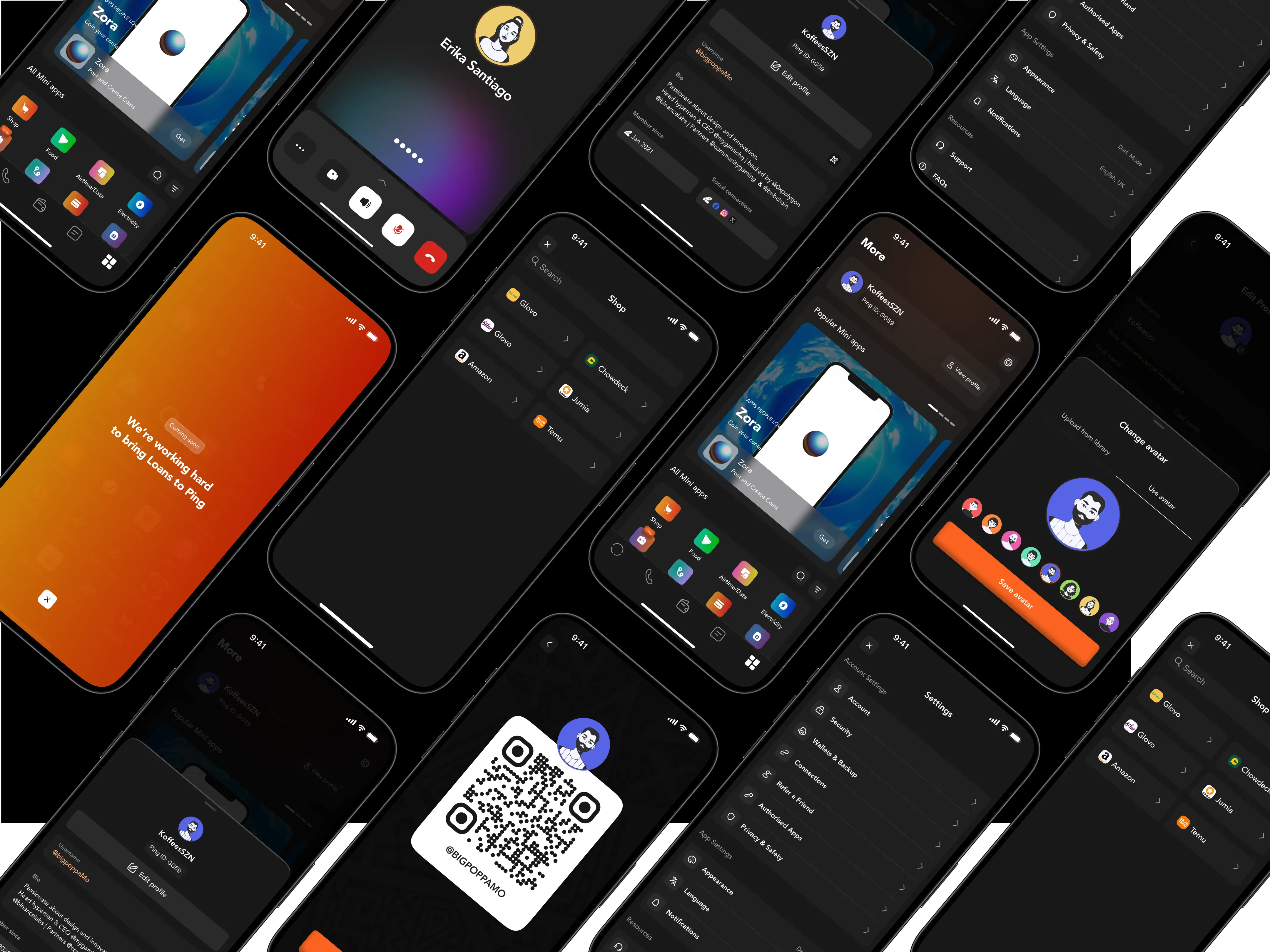
Designing Ping (FKA Gamic): Chat meets crypto
A chat app with built-in wallet and payment tools.
We wanted to make sending crypto feel as simple as sending a text message.
Why Web3 was too hard for normal people
Most Web3 apps felt like mazes. You had to use one app to chat, a browser extension to access your wallet, and a separate website to swap tokens. It was clunky and scary for anyone who wasn't a crypto expert.
The goal at Gamic was simple: build a single app where you can chat and manage your money in the same place.
We weren't just building for crypto enthusiasts. We wanted to reach creators, community leaders, and everyday users who were curious but intimidated. They didn't want another Discord clone. They wanted a safe, simple space where their time was valued.
Listening to users first
I interviewed dozens of creators, community managers, and curious web users. The promise of Web3 excited them, but the tools exhausted them. Four main problems kept coming up.
- Onboarding felt like a trap. Asking someone to connect a crypto wallet the second they sign up is like asking for their house keys before saying hello. It killed trust instantly.
- Everything was scattered. People used Discord for chat, Telegram for announcements, Google Sheets for token lists, and multiple apps for payments. Group leaders spent all day juggling tools.
- Group energy died quickly. Without easy ways to reward members or run giveaways, communities burned out fast. Keeping people interested was a constant struggle.
- The language was hostile. Terms like "staking," "gas fees," and "bridging" meant nothing to normal users. It made them feel excluded and embarrassed.
This was a trust problem, not just a design problem. People wanted to try Web3, but they needed to feel safe.
We decided to focus on three rules: make sign-up easy, use normal words, and combine chat and payments into a single stream.
Designing the system
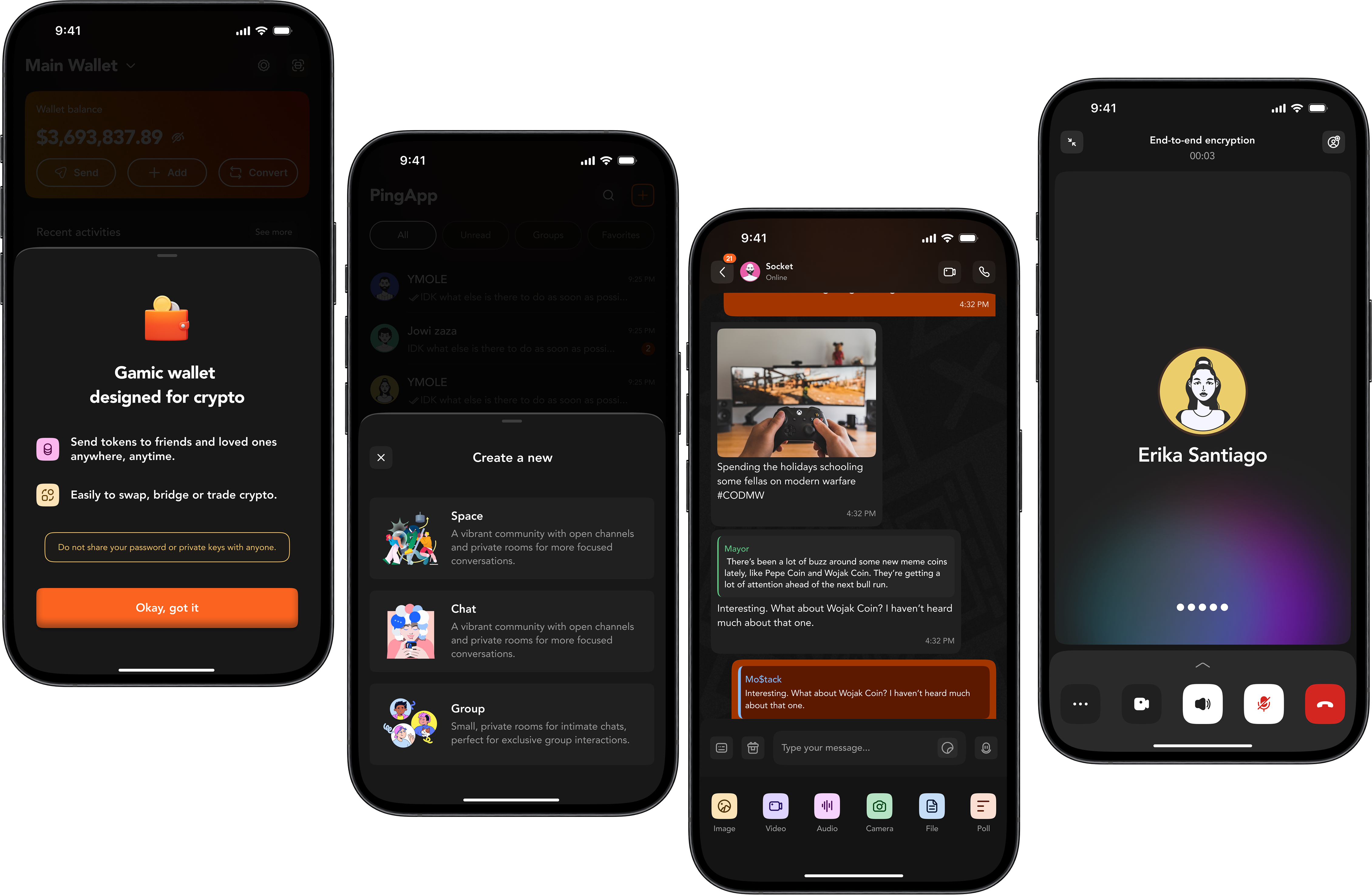
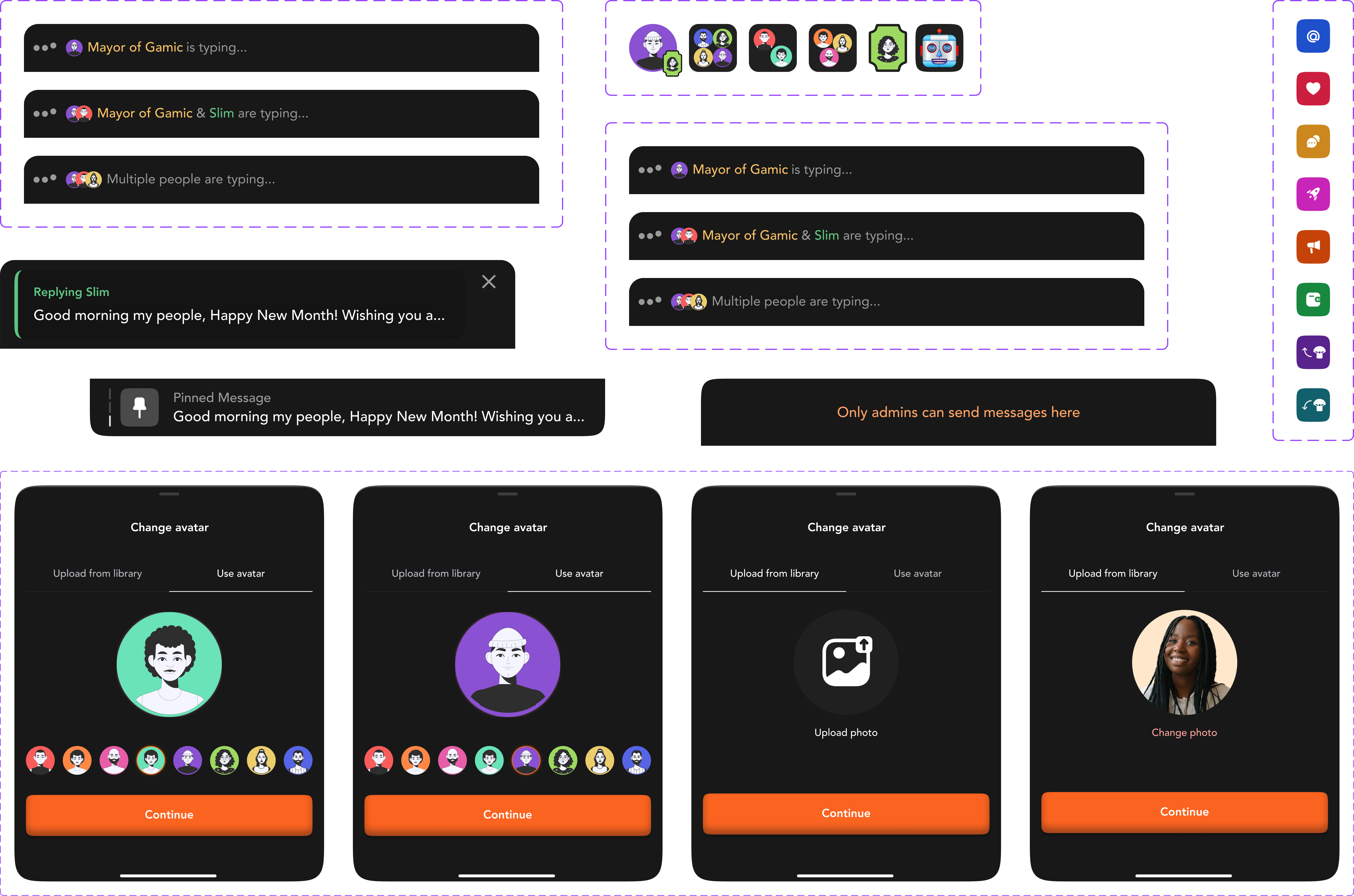
To build quickly, I set up a modular design system based on Rayna UI. This kept buttons, cards, and input fields consistent across the app.
We built prototypes and tested them with users. Three things became clear:
- Sign-up needed options. Let people sign in with Google or an email first. Create a simple wallet behind the scenes so they don't have to deal with 12-word seed phrases right away.
- Group actions had to be fun. Sending tokens or digital items directly in a chat room made people feel like active partners, not just members.
- Chat comes first, finance second. The core of the app had to be conversations, not confusing stock-market charts.
Onboarding that feels normal
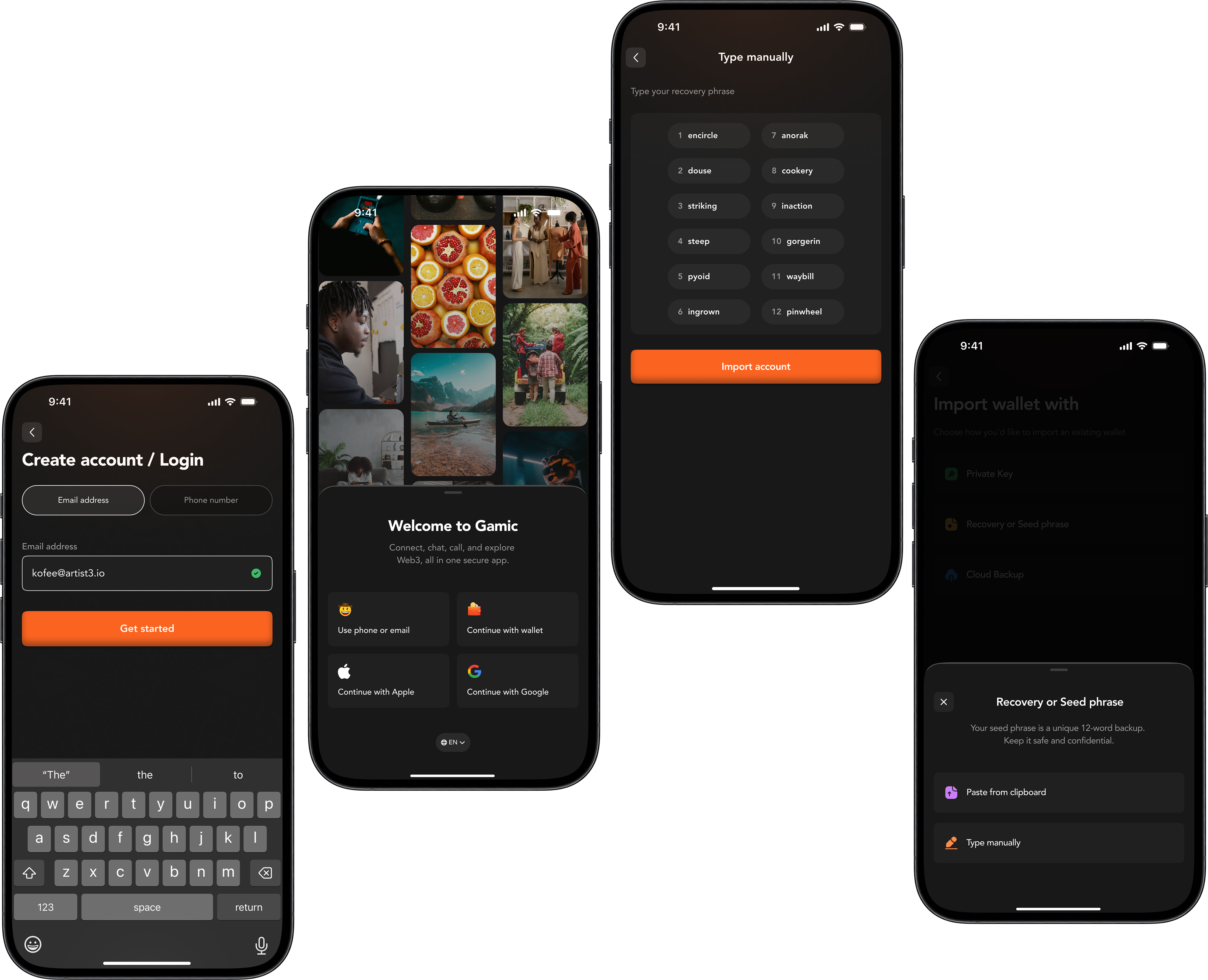
Most Web3 apps lose people before they even sign up because they demand a wallet connection. We changed this. We let users sign up using WhatsApp, Telegram, Google, or Apple.
This turned sign-up into an easy choice. Users started with what they already knew and could connect their crypto wallets later when they felt ready.
Bringing chats into one place
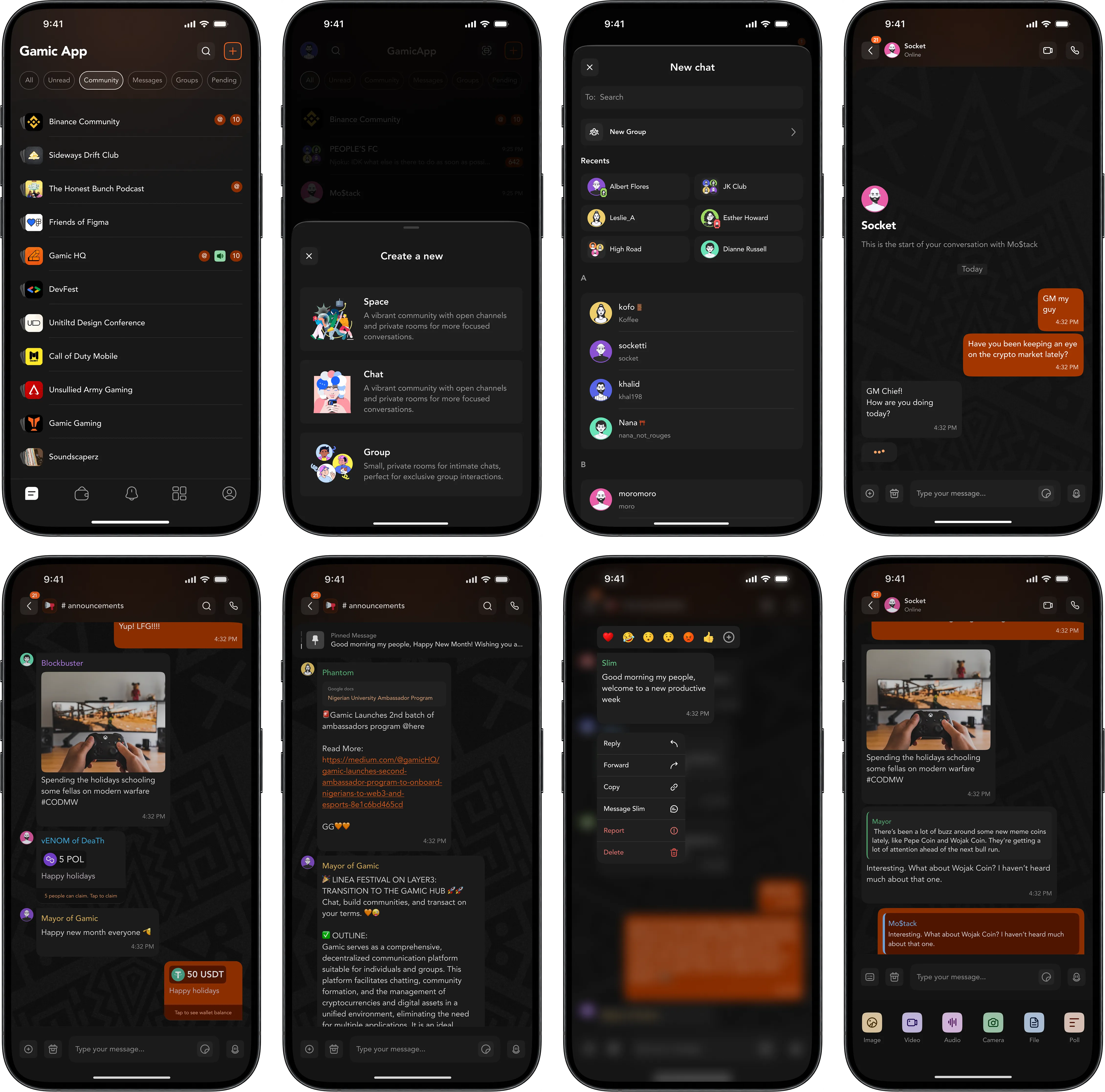
Instead of jumping between different apps, we brought chats together. DMs, group channels, private spaces, and even messages from WhatsApp or Telegram could live in one list.
This saved users from constant app-switching and kept their conversations organized.
A simple wallet for everyone
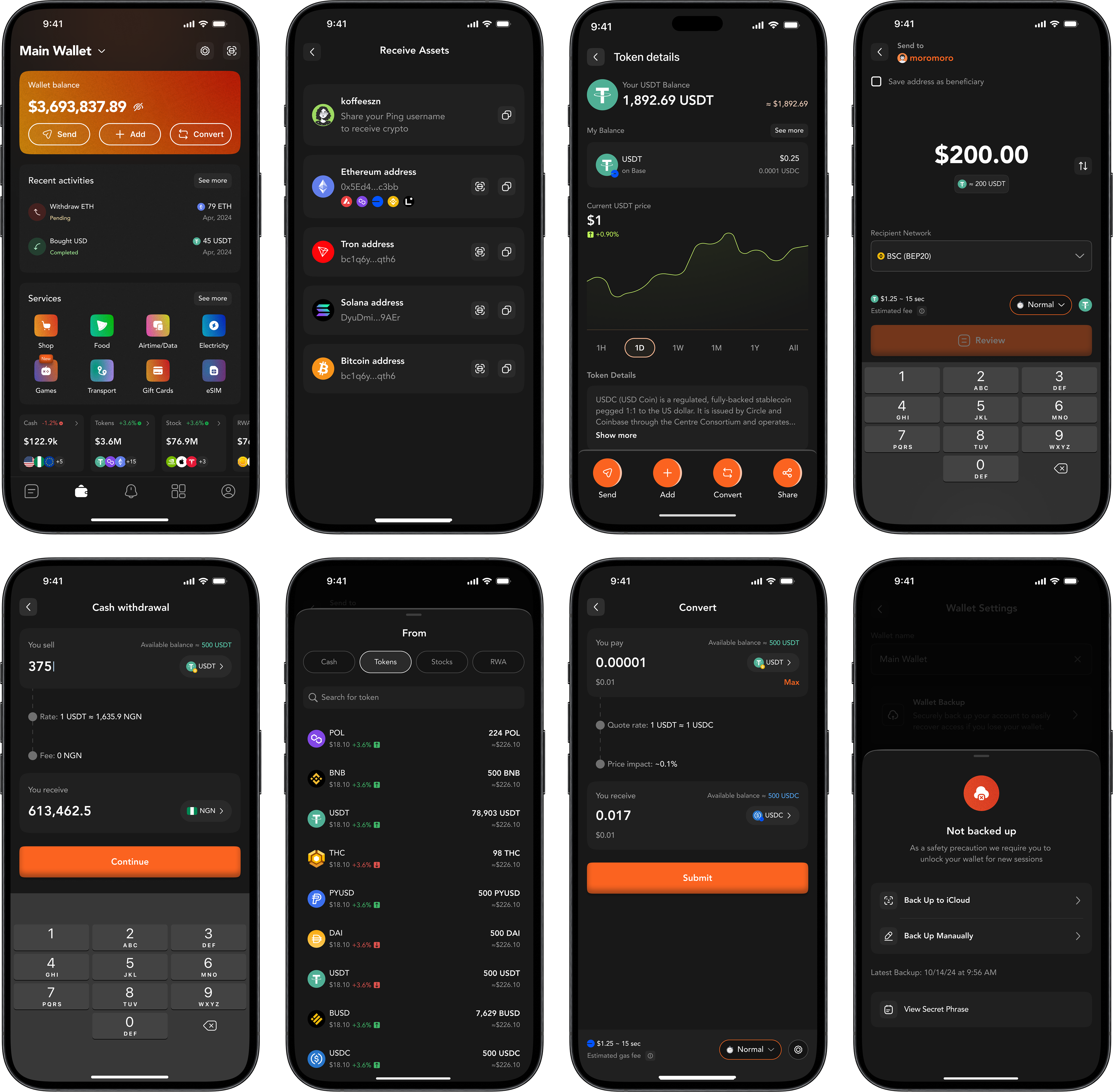
Most crypto wallets are full of confusing charts and numbers. We designed Ping's wallet to look and feel like a normal banking app:
- Add money using cash or cryptocurrency.
- Trade tokens, send funds to other networks, or cash out straight to a bank account.
- Send payment links and check balances in a tap.
We put the wallet directly inside the chat. Sending money to a friend became as easy as attaching a photo to a text.
The results
People joined the app within the first three days of launching.
Fewer users abandoned the sign-up process after we added social logins.
Boost in messages sent once we brought DMs and external chat apps into one screen.
Increase in daily group chat posts after adding quick token giveaways.
Raised in seed funding, backed by Binance Labs incubation.
Won Best Web3 App in Nigeria (2023) and selected as the only African project for the Binance Labs cohort.